


 EN
 RU
 ES
 ZH
 FR
 DE
 PT
 AR
 HI


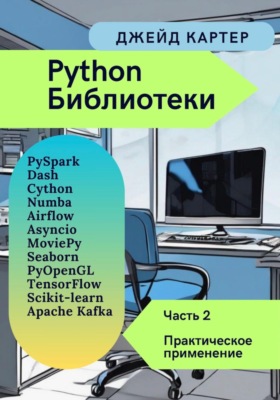
Python Libraries Part 2. Practical Application
Python Libraries Part 2. Practical Application
Summary:
Expand Python's Capabilities: Practical Application of Libraries
The second part of the "Python Libraries" guide will become your indispensable assistant in mastering advanced techniques for data analysis, machine learning, and automation. You will learn to process large volumes of data, build interactive visualizations, and optimize the performance of your Python applications. The book will help you turn Python into a powerful tool for solving a wide variety of tasks.
Dask and PySpark: Distributed Big Data Processing
Master distributed data processing methods using Dask and PySpark. Learn how to effectively use these libraries for analyzing huge datasets that do not fit into RAM.
Data Visualization with Plotly Dash
Learn to create dynamic and interactive dashboards using Plotly Dash. Turn your data into clear and understandable visualizations that help make informed decisions.
Performance Optimization with Cython and Asyncio
Boost the performance of your Python applications with Cython and Asyncio. Learn how to optimize code and use asynchronous programming to build high-load systems.
Task Automation with Airflow
Automate routine tasks, including data parsing, document processing, and creating workflows with Airflow. Jade Carter will show how to integrate Airflow into your Python projects to increase efficiency.
More Than Just Libraries: Geodata, Images, and Sound
The book goes beyond standard data analysis, also covering geodata visualization, working with images and sound. You will gain skills for solving a wide range of tasks requiring the integration of Python with various data types.
Modern Approach to Testing and Deployment
Jade Carter pays special attention to modern approaches to testing and deploying Python applications. You will learn how to create reliable and scalable code ready for production.
Who This Book Is For
This book is intended for developers seeking to expand their skills and implement Python in practical areas requiring high performance, automation, and flexibility. It will become a valuable resource for those who want to master advanced techniques and Python libraries for solving complex problems.